Summary
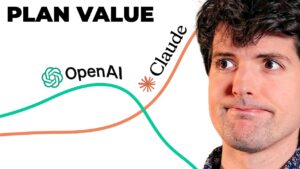
Wes Roth delivers an urgent editorial on what he describes as a potentially catastrophic inflection point in US AI policy. With five frontier models now under government access controls—Claude Mythos 5, Fable 5, and the three GPT-5.6 variants (Soul, Tera, Luna)—Roth argues the administration’s approach creates a compounding two-tier system reminiscent of the Cantillon effect: organizations on the approved “trusted partners” list gain months of exclusive access to each new capability jump, while everyone else falls progressively further behind. The people who control list membership accumulate outsized influence.
Roth structures three distinct concerns. First, gating frontier intelligence through government-managed lists rather than open markets creates structural inequality that worsens with every model generation. Second, regulating finished model releases rather than lab processes or training infrastructure targets the wrong thing—especially as recursive self-improvement edges closer to plausibility and the gap between public and private frontier capability widens. Third, export restrictions that exclude non-US nationals push the EU and other regions to accelerate sovereign AI efforts, fragmenting the global market and undercutting the revenue assumptions behind trillion-dollar AI infrastructure investments.
Notably, Roth highlights rare cross-ideological consensus: AI safety researchers, accelerationists, and market observers appear broadly unified in viewing this specific implementation as misguided, even where views on appropriate AI oversight diverge. He also questions whether the regulatory math on frontier AI compute investment still holds if model releases face multi-month government review delays.
📺 Source: Wes Roth · Published June 30, 2026
🏷️ Format: Opinion Editorial