Summary
The AI Daily Brief covers two simultaneous releases—Anthropic’s Claude Opus 4.7 and a major update to OpenAI’s Codex application—focusing specifically on what new use cases each unlocks for knowledge workers and developers. The episode goes beyond feature lists to discuss architectural patterns that become possible with these tools.
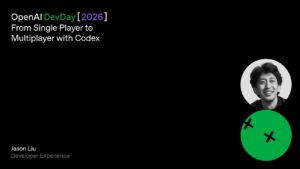
On the Codex side, the most significant additions are computer use on Mac (Codex can now see and interact with any application via its own cursor), an in-app browser with click-to-comment mode for precise front-end feedback, native image generation via GPT Image 1.5, and—most architecturally notable—”heartbeats”: thread automations that resume in the same conversation thread with full accumulated context, rather than starting fresh each run. The episode introduces the “mono-thread” pattern, quoted directly from OpenAI’s Pash and elaborated by engineer Nick: a single persistent chief-of-staff thread that orchestrates specialist sub-agent threads monitoring Slack, Gmail, GitHub, and calendar, interrupting the user only when something genuinely requires attention. Jason Lu’s step-by-step chief-of-staff recipe—including a local vault folder, agents.md instructions file, and an onboarding interview—is covered in detail.
On the Opus 4.7 side, the episode discusses how the model pairs with Claude Code for extended autonomous sessions and what the “adaptive thinking” toggle means in practice. A companion slide deck is available at play.aidailybrief.ai.
📺 Source: The AI Daily Brief: Artificial Intelligence News · Published April 18, 2026
🏷️ Format: News Analysis