Summary
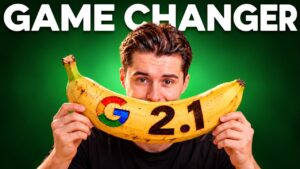
With AI video generation evolving rapidly in 2026, creator Youri van Hofwegen puts five leading models through a structured head-to-head comparison using identical prompts and image references for every test — a methodological choice explicitly designed to counter the biased inputs common in competing comparison videos. The models evaluated are Cedance 2.0, Cling 3.0, Google VO 3.1, Grok Imagine, and 1.2.7, all accessed through the Higsfield platform to ensure a consistent testing environment.
The comparison spans four rounds: physics realism (natural body movement, shirt removal, water splash entry), audio quality and lip sync, complex multi-character motion (a sustained fighting scene with two actors), and a fourth category tested in advance. Each round applies specific scoring criteria and assigns numerical ratings. Cedance 2.0 leads the physics round with a 9.5 out of 10, Cling 3.0 and VO 3.1 follow closely, while 1.2.7 scores a 5. In audio and lip sync, VO 3.1 takes a clear lead; Grok Imagine scores 3 out of 10 and 1.2.7 scores 2, effectively disqualifying both from any content involving dialogue or on-camera speech.
The video makes a practical argument for creators: audio quality is often a silent dealbreaker that eliminates a model from entire content categories regardless of how strong the visuals are. No single model dominates across all four rounds, and the right choice ultimately depends on the specific type of content being produced — short films with dialogue demand a different model than pure motion or action-focused clips.
📺 Source: Youri van Hofwegen · Published April 30, 2026
🏷️ Format: Comparison