Summary
Part Time Larry breaks down a peer-reviewed analysis of 72 million Kalshi prediction market trades, written by Coinbase engineer Jonathan Becker, and shows viewers how to run the open-source Python repository themselves using DuckDB and Parquet files. The video translates academic findings on behavioral finance biases into concrete, reproducible code.
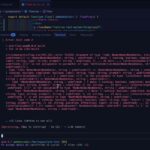
Two primary biases take center stage. Longshot bias — documented since a 1988 Thaler and Ziemba horse-racing study — shows up clearly in the Kalshi data: contracts priced at 5 cents (implying 5% probability) historically resolve as wins only about 4.18% of the time. The Yogi Berra bias, drawn from a 2012 prediction market paper and a 2025 University College Dublin study, describes bettors who refuse to exit losing positions even when outcomes are mathematically near-certain. A custom `yogi_berra_study.py` script queries the dataset to quantify this behavior directly.
Viewers learn to run prebuilt Makefile targets like `make analyze_win_by_price` and `make analyze_nba`, and to write their own DuckDB queries against the trade and market Parquet files. Real NBA Finals data grounds the analysis concretely: nearly $7 million in aggregate losses came from longshot bets on teams like the Indiana Pacers and Boston Celtics, while Oklahoma City Thunder backers profited. All code examples and query walkthroughs are published on hackingthemarkets.com.
📺 Source: Part Time Larry · Published January 24, 2026
🏷️ Format: Workflow Case Study